
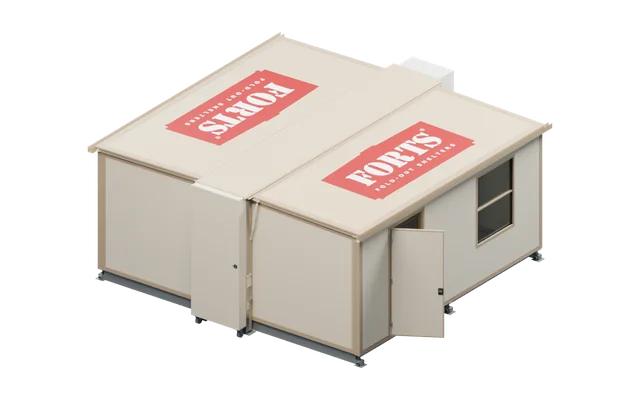
 FORTS 38
 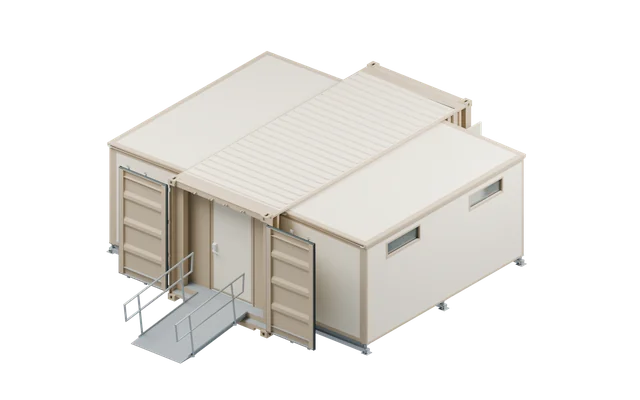 C-FORTS 96
 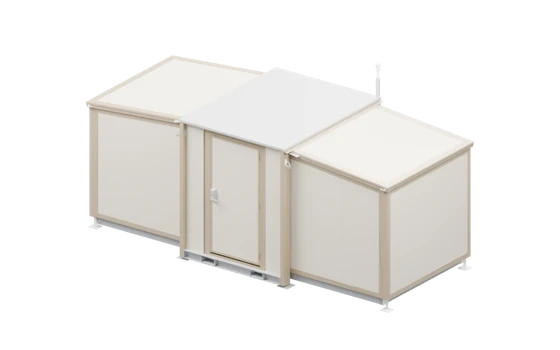 ACE 463L
 FORTS / COMMON QUESTIONS
The essentials.
Before your next move.
Find the answers that help you choose a shelter, plan its move and define the facility your team needs.
01
Choosing your facility
Can I buy a shelter shell or a complete equipped facility?
Both are possible. Start with a shell or work with FORTS on a configured facility, including the room layout, selected equipment, furniture, HVAC, electrical and data provisions, power and transport package. The proposal identifies what is included and what your organization or other suppliers will provide.
Discuss your configurationHow do FORTS 38, C-FORTS and ACE differ?
FORTS 38 uses an aluminum structural core and folding insulated panels to create a movable workspace. C-FORTS combines a steel container transport frame with an internal aluminum structure and expandable working space. ACE is a compact aluminum shelter developed around the 463L pallet format. Choose around the people, equipment, room arrangement and movement your assignment requires.
Compare the shelter platformsCan the interior be configured for our work?
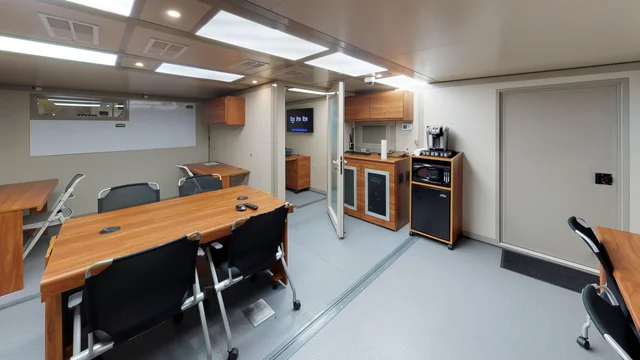
Yes. Room divisions, work surfaces, seating, storage and selected systems can be developed around the intended use. Bring the equipment you plan to install into the layout discussion, including its dimensions, connections and access needs. FORTS can help develop a shell, fitted workspace or connected facility around that brief.
Explore configured interiorsDoes FORTS offer mobile or temporary T-SCIF facilities?
FORTS can work with your program team on a mobile or temporary T-SCIF configuration, with transport and redeployment considered from the beginning. The complete enclosure, installed systems, supporting evidence and approval responsibilities are defined for the program. Selecting a shelter platform or an example layout does not itself establish accreditation.
Explore mobile T-SCIF planning02
Folding, transport and connections
How does a hard-walled shelter fold?
Hinged building sections fold into the shelter’s central transport arrangement and open to form the working enclosure. FORTS 38, C-FORTS and ACE each have their own folding design. Furniture and equipment stowage are planned alongside the shell so the equipped facility is prepared for its next move.
Watch the folding demonstrationsWill we need a forklift, or can we use a Mobilizer?
A matched Mobilizer can load and unload a single shelter without a forklift. FORTS 38 uses a mechanical Mobilizer; C-FORTS uses a matched hydraulic system. Other packages use forklift or container handling. Select the shelter, equipped load, trailer and receiving-site handling plan together. ACE has its own 463L-oriented movement requirements.
Compare the transport systemsCan shelters connect to make a larger facility?
Yes. Prepared FORTS 38 units can connect in tandem, and C-FORTS has its own prepared tandem arrangements. Connections use compatible units within the selected shelter family. Plan the room relationships and entrances together, then coordinate freight, placement and services for the complete facility. A single-unit Mobilizer demonstration shows a different scope of work from a multi-unit deployment.
Explore connected facilities03
Performance and repeated use
Can a FORTS facility be reused or refurbished?
Yes. Folding construction allows a shelter to move to another assignment. Replaceable wall panels, refurbishment and interior updates can help keep an owned facility useful as requirements change. Discuss the unit’s condition, proposed use and equipment with FORTS to define the work needed before its next deployment.
Learn about construction and reuseHow should we plan for hot or cold conditions?
Insulated construction and the selected HVAC package work together to support the interior environment. Share the expected climate, occupancy, equipment heat loads, available power and duration of use when specifying the facility. The product catalog includes manufacturer-reported hot- and cold-weather deployment examples; the delivered configuration and site conditions determine the requirements for your project.
See the catalog climate examplesHow quickly can a facility be ready to use?
Folding shelters are designed for rapid deployment, but the full schedule includes more than opening the shell. Transport, placement, utility connections, equipment setup and handover depend on the configuration and receiving site. Define those steps with FORTS and your operating team. Actual deployment videos show particular packages; their running time is not a setup-time specification.
See actual deployment footage04
Planning your project
What should we provide when requesting a quote?
Start with your organization, intended use, proposed location and timing. Add the number of people or rooms, equipment needs, available site services and how often the facility may move. Include any drawings or site information already available. FORTS can use that brief to develop a project-specific configuration and quote; a finished floor plan is not required to begin.
Start your projectWhat does the receiving site need?
Plan delivery access, placement space, handling equipment, safe entry and the services the facility will use. Identify power, water, wastewater and data connections where relevant. Your project team should establish the site’s support, anchorage, drainage and applicable occupancy requirements. Assign site preparation and connection responsibilities before delivery so the facility and site are ready for each other.
Read the planning guidesWhat can a FORTS temporary fire station include?
The FORTS temporary fire station uses FORTS 38 shelters. Layout examples include four-, six- and eight-bed facilities, with private sleeping rooms and shared living space. Bathrooms, kitchen and laundry facilities can be planned with the station. Start with crew size and daily routines, then develop the room arrangement, equipment, connections and site services for your department.
Explore the FORTS 38 station layoutsCan we see deployments, interiors and brochures before choosing?
Yes. The resource library brings together actual deployment films, facility photographs, interior tours and product brochures. Use them to compare how shelters fold, how configured rooms work and how different transport systems operate. Captions distinguish real facilities from illustrations so you can bring useful examples into your configuration discussion.
Open the resource libraryYOUR NEXT FACILITY
Bring us the assignment.
Tell us who will use the space, what they need to do and how it needs to move. We’ll help define the facility.